
Nettles are everywhere this year.
If you are looking you probably will find them. They grow abundantly, well, are invasive in parks, farms, roadside lots. But the word is spreading in the cooking world- stinging nettles are awesome. I have read quite a few gushing articles
here and
there lately and seen many interesting
recipes too. Fat Of The Land can't seem to stop talking about them- it's understandable- once you eat them it is easy to get hooked. FOTL has some great posts on
nettle tonic and first of
spring nettles. At Foraged and Found Edibles we have been selling them since late winter, slowly picking our way through the Northwest towards higher and cooler micro climates, moving on when one area begins flowering.
I thought for my first feature stinging nettles would make perfect sense for Nettletown blog....
Why are nettles so awesome? First of all, as I mentioned they grow everywhere- prolifically in many places all over the world. Secondly, they are delicious- rich green flavor and a toothsome and delicate texture at the same time. Thirdly, they are incredibly healthy for you (off the charts!)- high in vitamins A and C, protein, iron, calcium, potassium, and magnesium. One of the most widely spread, tasty, and healthiest green wild plants you can find!
Mama always said eat your nettles
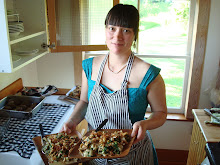
My first exposure to nettles as food was through Italian cuisine- nettle gnocchi and nettle ricotta filled ravioli are common nettle imbued versions of these favorites. After years of harvesting I have expanded my nettle repertoire. My favorite use now is in green fillings for Mediterranean style pies, such as a nettle version of spanikopita or something like my recipe in the
2009 Illustrated Wild Foods Recipe Calendar for Flaky Semolina Flatbread Stuffed With Nettles And Herbs. This tasty filling is a great way to use whatever greens and herbs you have foraged or might have in your fridge or garden. Also perfect not only as a bread or pastry filling but also eaten tossed with pasta or in frittata.
In the spring harvest a large bag once a week and just keep it in the fridge adding to dishes throughout the week. Easy to throw into soups, stewed beans, or eggs dishes for extra greens and nutrition. You can even cook a pot full and just have them ready to use. Blanch nettles in boiling water for a few minutes, strain out greens, cool in ice water or on a tray, and remember to save the cooking liquid. Drink blanching water as tea with honey, use for soup stock, or water your house plants.
Pureed nettle soup is always a welcome way to basically just drink the green gold. Nettle, green garlic, and potato soup anyone? Or a miso nettle soup/cure- just boil water add nettles and a slice of ginger or clove of garlic and cook for a few minutes, take off heat, add a spoonful of miso and puree.
Preserving for year round use:
>Freeze cooked nettles- whole, chopped or purreed.
>Nettle pesto- this would freeze well for a couple months.
>Dried nettle possibilities- Teas- a foraged tea mix for boosting your immune system of nettles, elderberries, elder flowers or a morning tea mix of nettles, mate and mint. Infusion- making an overnight infusion of dried nettles increases the health giving properties significantly. Boil water, add dry nettles, cover and let sit overnight. More information about this wonder drink from
cavemanfood and
Conscious Choice. Dried herb- homemade spice or salt seasoning mixes; crumbled or powdered to enrich soups or pilafs or even smoothies. Dried vegetable- try making a healthy backpacking soup mix with dried nettles, dried porcinis, lentils and rice.
HarvestingNettles are one of the first plants to pop out of the ground in early spring. Harvest until flowering in late spring or early summer. As the season progresses head for higher land to find younger plants. After plants get taller than 8 to 10 inches, harvest only the top two sets of leaves for the most tender and nutritious part. As the plant gets older the lower leaves become gritty and tough. Use gardening gloves and scissors to trim just under the top two leaf sets. If you cut close enough you won’t need to trim any tough stem off later when cooking.
And even more from the useful nettle……… There are so
many known uses a whole book could be written about this wonder plant. A small list- Make rope out of dried stem fibers; a nourishing survival food if you ever get lost; tea can be used for- watering plants, hair tonic, bath water; nettle rennet is used for cheese making; whip body to increase blood flow( for arthritis or cold temperatures); green or yellow cloth dye; consume in tea or freeze dried capsules to alleviate allergies.



 Posts
Posts

